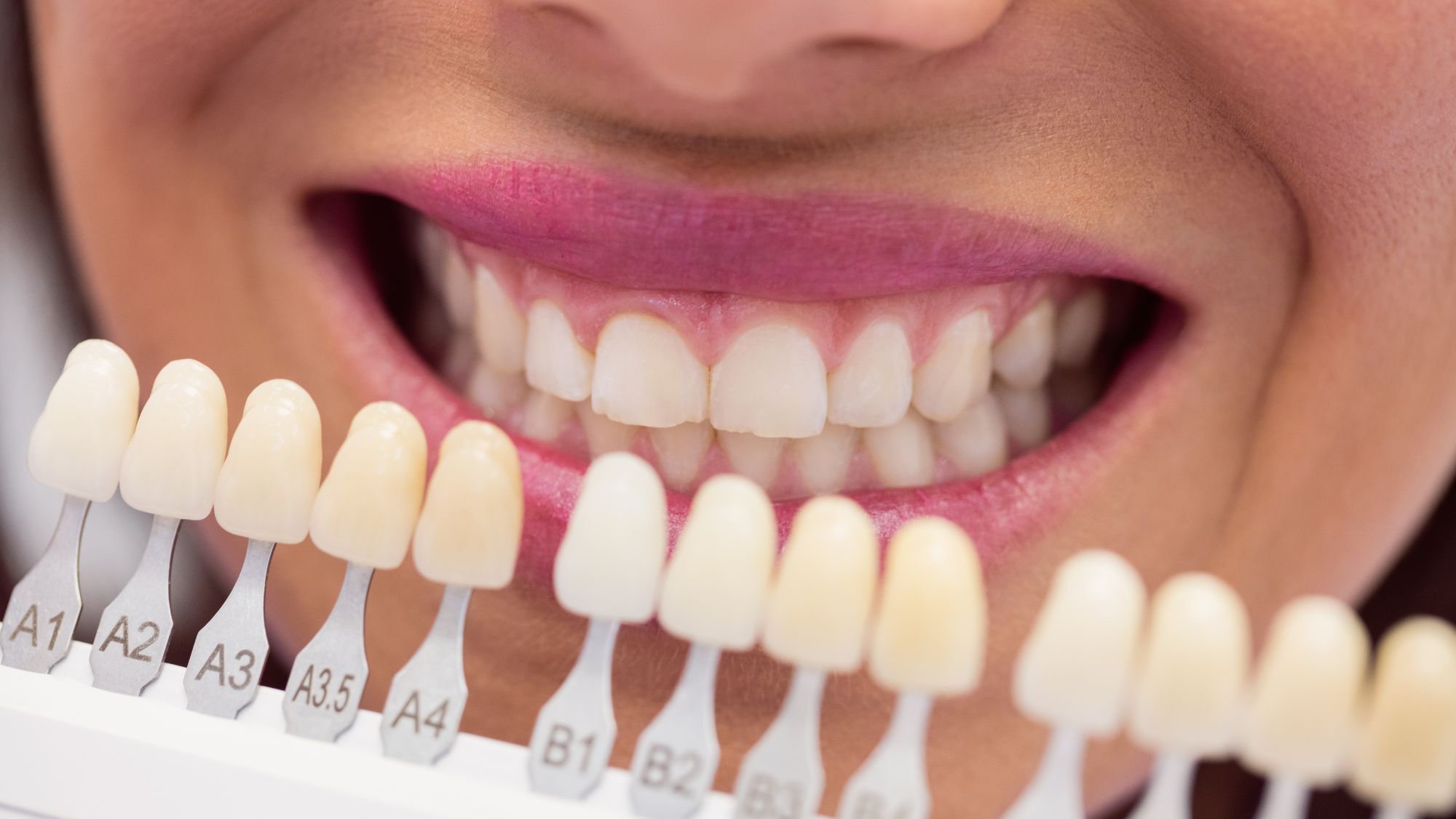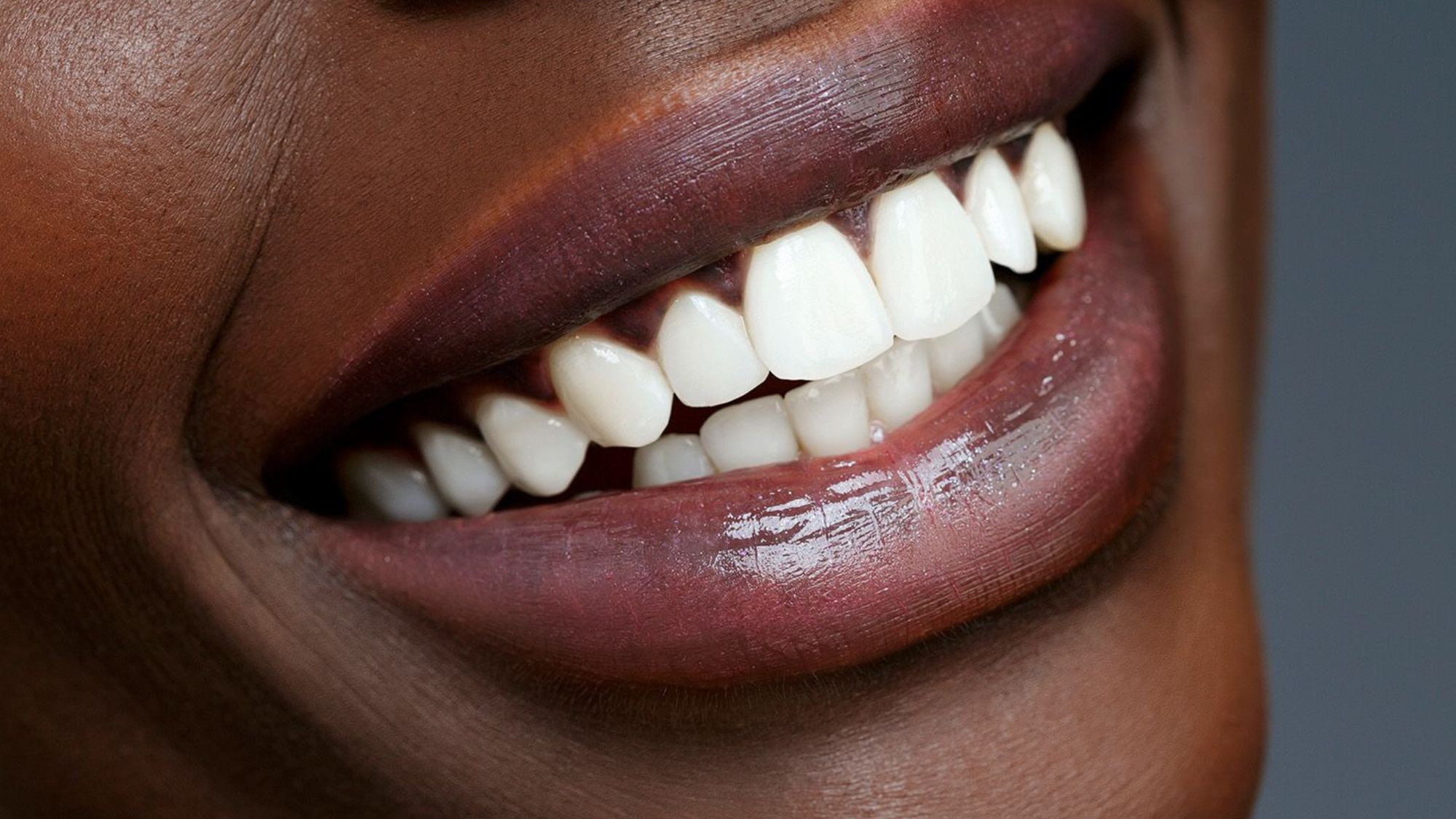
When people look for information on failed whitening processes, they are more interested in practical solutions, safer alternatives, and expert-backed advice than in empty promises. If a person has already tried teeth whitening strips many times or has spent a lot of money on more intensive whitening techniques without results, it is necessary to realize that tough stains can be removed successfully only with proper methods.
The following article presents the top 10 reasons why whitening processes fail. The information provided below is scientifically sound and can be verified against dental knowledge and practices. When people cannot make their teeth whiter despite various attempts, this article explains the reasons behind this failure.
10 Reasons Why Teeth Whitening Doesn’t Work
If you’ve spent a fortune on brightening kits only to see zero change, you aren’t alone. Whitening often fails because it targets surface stains while ignoring biological realities. Understanding these ten common barriers is the first step toward stopping the guesswork and finally achieving a smile that actually glows.
1. Your Tooth Stains Are Too Deep (Intrinsic Stains)
Surface-level products, such as teeth whitening rinses or strips, are designed to address extrinsic stains. However, if your discoloration is intrinsic, it means the particles are located within the tooth structure itself. This often happens due to trauma (where a tooth bruises internally), excessive fluoride intake during childhood (fluorosis), or the use of specific antibiotics like tetracycline while the teeth were still forming. These grey or dark brown stains are notoriously resistant to over-the-counter peroxides because the chemicals cannot reach the deeply embedded pigments at sufficiently high concentrations.
What you can do:
Seek a professional evaluation to determine if the stain is internal. If the discoloration is permanent, cosmetic options like porcelain veneers or dental bonding are the gold standard for masking deep internal stains that bleach cannot touch.
2. You’re Using the Wrong Teeth Whitening Product
Not all whitening products are created equal. Many whitening toothpastes do not contain any bleaching agents; instead, they use abrasive particles (such as silica) to scrub away surface debris. While this makes teeth feel clean, it doesn’t change the tooth’s actual shade. Similarly, many LED kits sold online have peroxide concentrations so low that they are practically ineffective, or they lack the custom-fitted trays necessary to keep the gel in contact with the tooth while protecting the gums.
What you can do:
Look for products with the ADA Seal of Acceptance. If you have moderate staining, prioritize custom-fitted trays that ensure even distribution of the gel and prevent saliva from washing the peroxide away.
3. Your Expectations Are Unrealistic
In the era of social media filters, many people pursue a paper-white look that is biologically impossible for most humans. Natural teeth range in color from reddish-brown to greyish-yellow. Furthermore, teeth are naturally more opaque at the gum line and more translucent at the biting edge. If you are chasing a monochromatic, stark-white look, you may feel that whitening isn’t working when, in reality, your teeth have reached their maximum biological brightness.
What you can do:
Focus on a healthy, bright white rather than an artificial one. A good rule of thumb is to aim for a shade that matches the whites of your eyes for a balanced, natural appearance.
4. Dental Restorations Cannot Be Whitened
It is one of the most typical cases that lead to inconsistent whitening effects. If your tooth surface has crowns, veneers, dental fillings, or dental bonding, these are usually made of porcelain or composite resins, which do not react to chemical whitening agents because of their porous nature. Therefore, after undergoing the process of whitening, your tooth enamel becomes brighter, while the materials of your dental restoration remain unchanged and look yellowish due to this contrast effect.
What you can do:
If you plan to whiten your teeth, do it before receiving your restorations. Alternatively, you may have to change the color of these restorations.
5. You’re Not Using Whitening Products Consistently
Whitening is a cumulative process. Many users apply strips once every few days or stop once they feel a slight tingle of sensitivity. For peroxide to effectively break down deep stains, it needs consistent, repeated exposure over a set period. Inconsistency allows the whitening window to close, and daily habits (like drinking coffee) can immediately begin to reverse the progress you’ve made.
What you can do:
Follow the manufacturer’s instructions to the letter. If sensitivity occurs, don’t stop entirely; instead, use a desensitizing toothpaste containing potassium nitrate for 2 weeks before and during your treatment.
6. Your Diet Is Constantly Straining Your Teeth
If you are trying to whiten your teeth while maintaining a heavy coffee, black tea, red wine, or curry habit, you are essentially taking one step forward and two steps back. These items contain high amounts of tannins and chromogens that cling to the enamel. Furthermore, acidic foods (like citrus or soda) soften the enamel, making it even more porous and susceptible to new stains during the whitening process.
What you can do:
During the whitening period, follow the White Diet. Stick to clear liquids and light-colored foods. If you must have coffee, drink it through a straw to bypass the front teeth and rinse with water immediately after.
7. Smoking or Tobacco Use Is Causing Heavy Stains
Nicotine and tar are devastating to tooth color. Nicotine is colorless until it combines with oxygen, at which point it turns yellow. When this is pressed against the teeth via smoke or chewing tobacco, it creates a thick, stubborn film that penetrates deep into the enamel pores. Tobacco stains are often so dense that standard over-the-counter strips simply cannot penetrate the layer of tar to reach the tooth beneath.
What you can do:
To see real results, tobacco cessation is the first step. Professionally applied whitening or high-concentration power bleaching is usually required to see a noticeable difference in long-term smokers.
8. Plaque and Tartar Are Blocking Whitening Results
When you don’t get your teeth professionally cleaned at least once every six months, it’s safe to assume that there is probably some amount of tartar buildup. The problem is, whitening gel doesn’t penetrate tartar but stays on the enamel surface. If you attempt to whiten your teeth without removing this mineral buildup, you’ll be left with blotchy, uneven results since the gel did not make contact with the tooth under the tartar.
What you can do:
Always schedule a professional cleaning before starting a whitening regimen. This ensures the peroxide has a clean canvas to work on. This is especially true for those seeking teeth whitening in Tucson, where mineral-heavy water can sometimes contribute to faster buildup.
9. Your Enamel Is Thin or Damaged
As enamel wears away, it becomes thinner and more translucent. Because the underlying dentin is naturally yellow, your teeth will look more yellow as the enamel thins. In this case, the color isn’t a stain that can be bleached; it is the color of the inside of your tooth. Applying bleach to thin enamel can also lead to extreme sensitivity and make the teeth look grey or glassy rather than white.
What you can do:
Focus on enamel-strengthening toothpastes and avoid whitening products, which may be too abrasive. Cosmetic treatments like veneers are often the only way to brighten a smile with significant enamel loss.
10. An Underlying Dental Problem Is Affecting Results
If you have an untreated cavity, a leaking filling, or gum recession, whitening can be dangerous. The peroxide can seep into the cavity or the exposed tooth root, reaching the tooth’s pulp (the nerve). It results in intense, stabbing pain and even gum inflammation. In addition, Xerostomia impairs the natural salivary process. Which is vital for rehydrating and replenishing the mineral content of your teeth and for helping them whiten better.
What you can do:
It is always important to have a dental exam. Make sure you address your gum and tooth issues before undergoing any whitening treatments.
Final Verdict
At the end of the day, a failed teeth whitening attempt is usually just your teeth telling you that a one-size-fits-all product isn’t the right fit for your unique biology. Whether you’re dealing with deep internal stains, thinning enamel, or old dental work. Understanding the why saves you time and money.
Your smile deserves a plan rooted in health and expert insight, not guesswork. To get real results and ensure your enamel stays protected, schedule a visit with Pearly Smile Dental Studio today for a personalized evaluation.