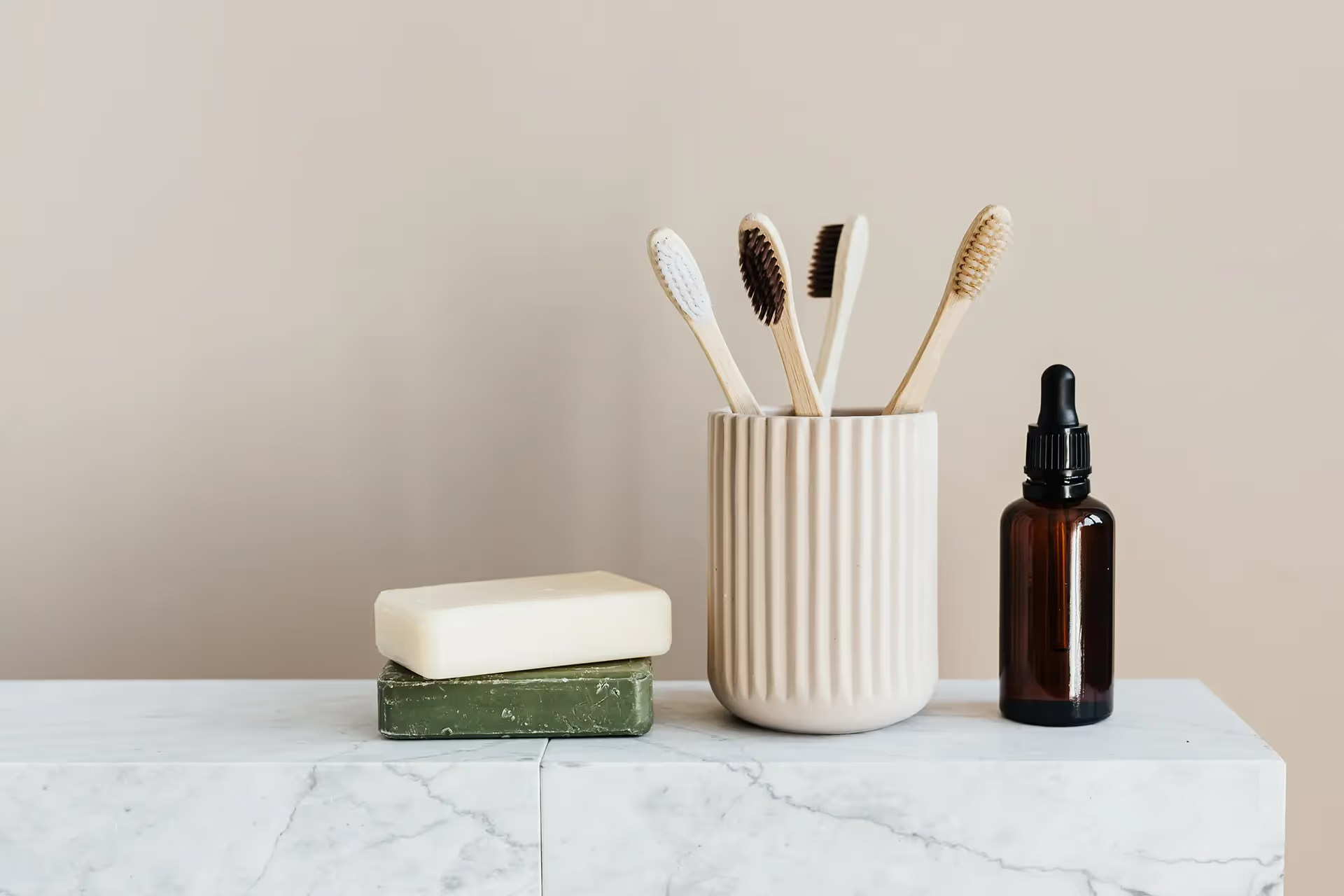
Most people don’t realize that an old toothbrush can quietly reduce the effectiveness of their entire oral hygiene routine. You may be brushing twice a day, with the correct technique, and still not getting the desired results just because your toothbrush is not functioning as well as it should.
The bristles of the toothbrush wear out, become disorganized, and hence cannot perform their duty of brushing the teeth properly, which not only impacts the brushing of the teeth but may also lead to problems like bad breath, irritation of the gums, etc.
In this blog, we shall discuss the clear, evidence-based reasons that explain the importance of replacing your toothbrush at regular intervals, along with the outcomes of not replacing the toothbrush.
How Often Should You Replace Your Toothbrush? (Expert Recommendation)
The American Dental Association recommends that toothbrushes should be replaced every three to four months, or sooner if the bristles become frayed.
However, the 90-day rule isn’t the only metric. You should swap your brush immediately if you have been sick with a cold, flu, or a viral infection like COVID-19. Pathogens can nestle within the moist environment of the bristles, posing a risk of reinfection. Additionally, if you observe that the bristles are fraying after only two months, it is an indicator that you are brushing too hard, and the toothbrush should be changed earlier in order to protect your enamel.
10 Reasons to Replace Your Toothbrush Regularly
A toothbrush, although seemingly a trivial item, is actually crucial in ensuring that you are brushing your teeth and gums as effectively as possible. Below are 10 practical, evidence-based reasons why it is crucial that you replace your toothbrush on a regular basis in order to ensure proper oral hygiene.
1. Worn-Out Bristles Clean Less Effectively
The fundamental role of a toothbrush is to disrupt dental plaque. When a toothbrush is new, the bristles are rounded, enabling them to remove dental plaque effectively. On the contrary, once the bristles wear off, they become limp, thus ineffective in removing dental plaque. Studies have demonstrated that a worn-out toothbrush leaves behind significantly more dental plaque than a new toothbrush, especially in the hard-to-reach areas, such as the interproximal areas (the space between teeth).
A study published in the Journal of Clinical Periodontology revealed that participants brushing with a 3-month-old toothbrush had significantly higher plaque scores than those brushing with a new toothbrush.
2. Bacteria Build-Up Over Time
Your bathroom is a humid environment, which is the perfect breeding ground for bacteria. Every time you brush, you remove food particles and oral bacteria, some of which remain trapped at the base of the bristles. Over several months, these colonies grow. If you store your toothbrush near a toilet, toilet plume can also introduce fecal coliforms to your bristles.
Research in the Journal of Advanced Medical and Dental Sciences highlights that toothbrushes can be contaminated by a variety of pathogenic microorganisms including staphylococci and coliforms.
3. Increases Risk of Gum Disease
Gum disease, or periodontitis, starts when plaque is allowed to sit at the gumline. Because old bristles lose their ability to “flick” plaque out of the gum pocket, the bacteria harden into tartar (calculus). This leads to inflammation, bleeding, and eventually, tissue loss. Regular replacement ensures that your cleaning tool is sharp enough to keep these pockets clear.
The Centers for Disease Control and Prevention (CDC) notes that effective plaque removal is the cornerstone of preventing periodontal disease.
4. Can Cause Bad Breath (Halitosis)
If you’ve noticed that your breath isn’t fresh even after brushing, your toothbrush might be the culprit. Old brushes harbor sulfur-producing bacteria. Instead of removing the source of the smell, you are essentially painting your mouth with old germs. A crisp, clean brush ensures you are actually neutralizing odors rather than redistributing them.
The Mayo Clinic identifies bacterial buildup on dental appliances and brushes as a leading cause of persistent halitosis.
5. Less Effective in Preventing Cavities
Cavities form when acid-producing bacteria linger on the tooth surface. A fresh toothbrush has the structural rebound needed to clean the deep pits and fissures of your molars. When bristles splay, they slide over these grooves rather than dipping into them, leaving your enamel vulnerable to decay.
The National Institute of Dental and Craniofacial Research (NIDCR) emphasizes that mechanical removal of plaque is essential to stop the demineralization process that causes cavities.
6. Bristles Can Become Harsh on Gums
This is a common misconception: people think old, soft bristles are gentler. In reality, as bristles wear, they develop jagged, microscopic edges. These sharp ends can cause toothbrush abrasion, wearing away the delicate gingival tissue and leading to gum recession and tooth sensitivity.
A study in the International Journal of Dental Hygiene suggests that the morphology of worn bristles can increase the risk of gingival recession.
7. Not Effective for Cleaning Dental Work
For those with crowns, bridges, or braces, the nooks and crannies are even more numerous. Old bristles lack the precision to clean around brackets or under bridge margins. If you aren’t replacing your brush regularly, you risk localized decay around expensive dental work.
The American Association of Orthodontists recommends frequent brush replacement for patients with appliances to prevent decalcification (white spots).
8. Can Reintroduce Germs After Illness
If you’ve suffered from strep throat or a viral flu, your toothbrush bristles can act as a reservoir for those pathogens. To ensure your recovery is permanent and you don’t pass germs to family members (especially if brushes are stored in the same holder), a fresh start is mandatory.
The Cleveland Clinic advises that replacing a toothbrush after a bout of illness is a key step in maintaining household hygiene.
9. Leads to Surface Stains and Dull Teeth
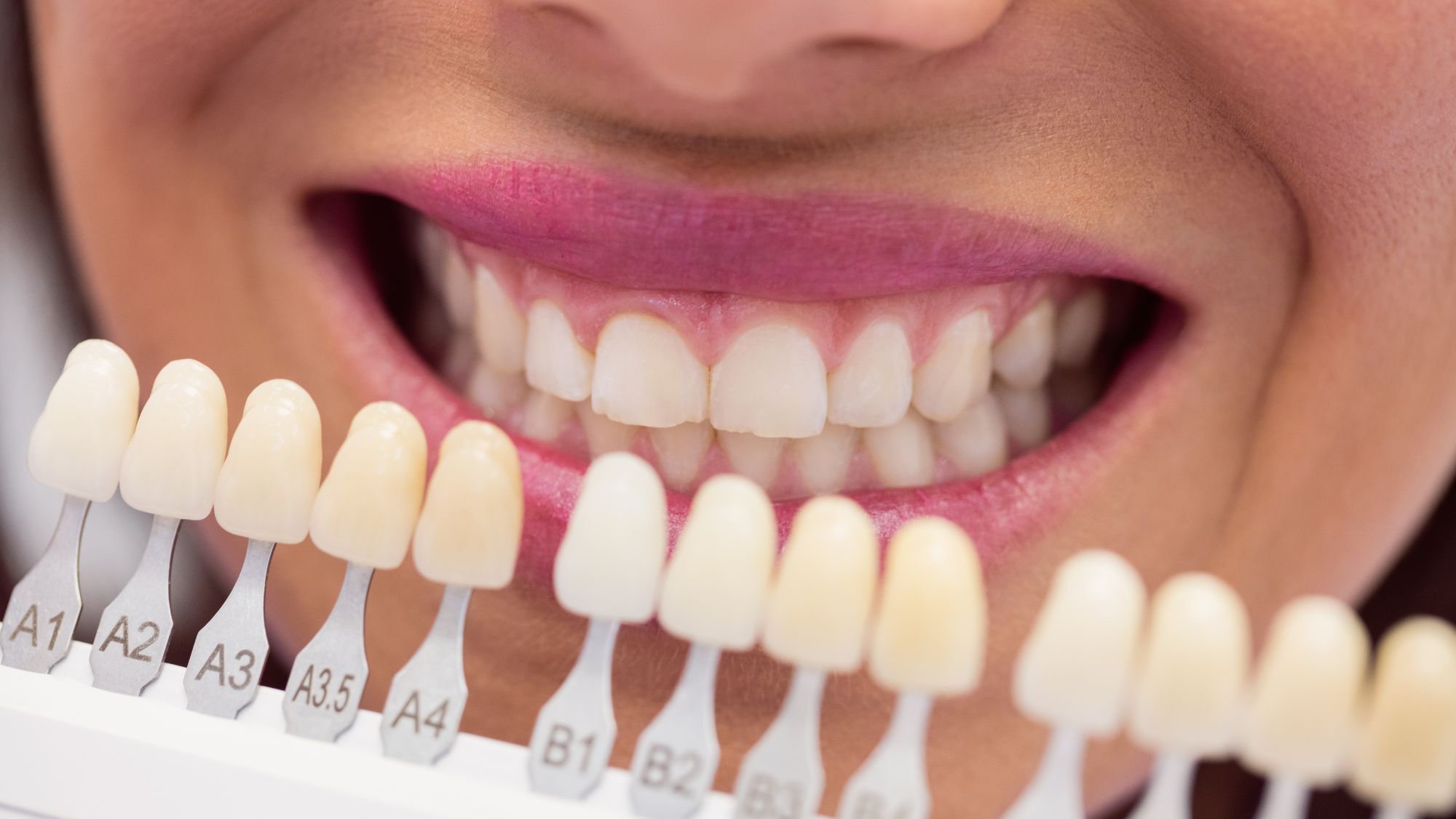
A new toothbrush acts as a mild polisher. As the bristles lose their texture, they lose their ability to lift surface stains from coffee, tea, or berries. If you want to keep your smile bright without overusing whitening chemicals, the mechanical action of a fresh brush is your best friend.
Research published via PubMed indicates that mechanical brushing efficiency is directly correlated to the removal of extrinsic dental stains.
10. A Fresh Toothbrush Improves Your Oral Care Routine
There is a psychological benefit to a new brush. It feels better, it looks cleaner, and it encourages you to spend the full two minutes brushing. When your tools are in top shape, you are more likely to take your routine seriously, which leads to better long-term outcomes and fewer visits for teeth cleaning in Shelby, Township Mi.
The Journal of Dental Education discusses how patient motivation and the quality of home care tools are directly linked to oral health outcomes.
Final Thoughts
Good oral hygiene is not only about brushing regularly, it is also about using a toothbrush that can actually do its job properly. As bristles wear out, they lose their ability to clean effectively, which can slowly affect your overall oral health without you realizing it. Replacing your toothbrush on time is a simple step that helps you maintain cleaner teeth and healthier gums. If you want to stay on top of your oral care, consider visiting Pearly Smile Dental Studio and schedule a visit for the right guidance.