
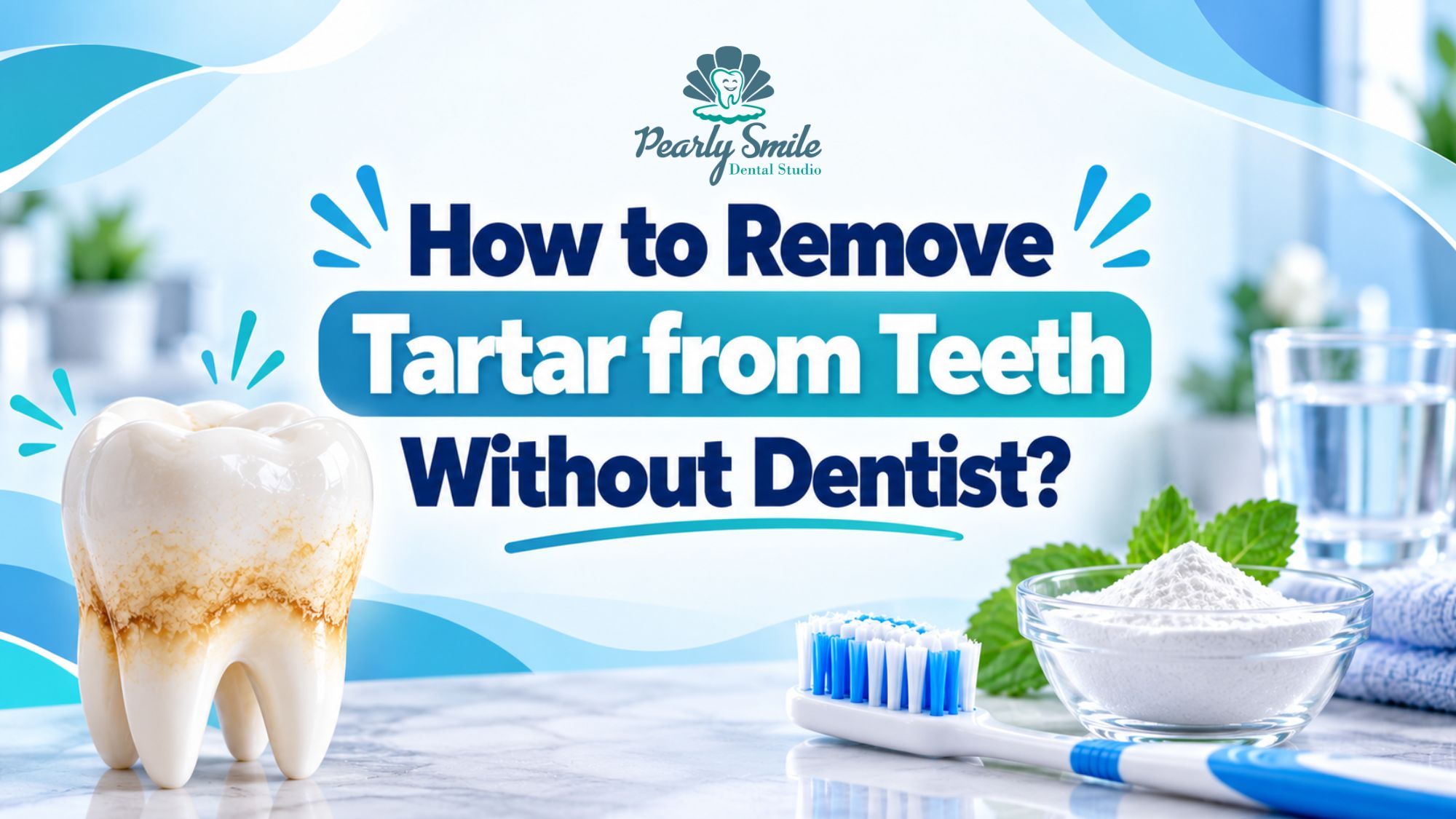
Tartar is the yellow or brown crust that builds up along your gumline. Many people try to scrape it off at home to avoid a dental visit. Here is what really works, what does not, and what could hurt your teeth.
You can slow tartar down and keep it from coming back. But once it hardens, a professional needs to lift it off safely. If you are tired of guessing, a trusted dentist in Shelby Township, MI can clear it in one comfortable visit.
What Is Tartar and How Is It Different From Plaque?
Plaque is a soft, sticky film of bacteria that forms on your teeth throughout the day. Good brushing and flossing can remove it.
If plaque stays, minerals in your saliva harden it within a few days. That hardened layer is tartar, also called dental calculus.
Tartar shows up in two places:
- Above the gumline: Yellow or brown buildup you can see, most often behind the lower front teeth and on the outer sides of the upper back teeth
- Below the gumline: Dark, hard deposits hidden under the gums, which cause the most damage
Tartar has a rough surface. More plaque sticks to it, and the cycle keeps repeating.
Can You Really Remove Tartar at Home?
Short answer: not once it has hardened. Tartar bonds tightly to your enamel. Your toothbrush, floss, and mouthwash cannot break that bond.
What you can do at home is a different job. Home care helps you:
- Remove fresh plaque before it turns into tartar
- Slow down new buildup on your teeth
- Keep your gums healthy between dental visits
Think of home care as prevention, not removal. It is the best way to make every future cleaning easier.
Home Tartar Removal Hacks You Should Skip
The internet is full of quick fixes. Most do very little, and some can do real damage.
Metal Scrapers and DIY Scalers
These tools look like what your dentist uses, but the training behind them is very different. It is easy to scratch your enamel, cut your gums, or push tartar deeper under the gumline. Scratched enamel also traps more plaque.
Baking Soda and Vinegar
Baking soda is a mild abrasive and can freshen your breath. It will not dissolve tartar. Vinegar is acidic and can wear down your enamel over time.
Lemon Juice and Other Acids
Acids soften enamel. This can leave your teeth more sensitive and more prone to cavities.
Oil Pulling and Charcoal Powders
There is no strong proof that oil pulling removes tartar. Charcoal powders can be rough on enamel. Neither one is worth the risk or the time.
Safe Ways to Fight Tartar Buildup at Home
These habits will not erase tartar you already have. They will make it much harder for new tartar to form.
Brush Twice a Day for Two Full Minutes
Use a soft-bristled brush and angle it toward your gumline. Small, gentle circles work better than hard scrubbing. An electric toothbrush can help if you tend to rush.
Use a Tartar-Control Toothpaste
Look for a fluoride toothpaste made for tartar control. These often contain ingredients like zinc citrate or pyrophosphates that help stop plaque from hardening. If your teeth are sensitive, our list of the top toothpastes for sensitive teeth can help you pick one.
Clean Between Your Teeth Every Day
A toothbrush cannot reach the tight spaces where tartar loves to form. Floss, interdental brushes, or a water flosser can. Pick the one you will actually use each day.
Add an Antibacterial Mouthwash
An alcohol-free mouthwash that fights bacteria can reduce plaque. It works best as a final step after brushing and flossing, not as a replacement.
Replace Your Toothbrush Often
A worn brush cleans poorly and lets plaque slip by. Here is why you should replace your toothbrush regularly and how often.
Foods and Habits That Slow Tartar Buildup
What you eat and drink changes how fast plaque forms. A few small swaps can make a difference:
- Crunchy fruits and veggies: Apples, carrots, and celery gently scrub your teeth as you chew
- Water after meals: Rinsing helps wash away food and sugar
- Sugar-free gum: Chewing after meals boosts saliva, which helps clean your mouth
- Fewer sugary snacks: Sugar feeds the bacteria that make plaque
- No tobacco: Smoking and chewing tobacco speed up tartar and stain your teeth
- Plenty of water all day: A dry mouth makes it easier for tartar to form
The American Dental Association shares more daily habits on MouthHealthy if you want to build a stronger routine.
Why Tartar Under the Gumline Is a Bigger Deal
The tartar you can see is mostly cosmetic. Tartar you cannot see is a health issue.
When it builds up below the gumline, it irritates the gums and keeps bacteria close to the tissue. This can lead to red, puffy gums that bleed. That early stage is called gingivitis.
If it goes untreated, gingivitis can turn into periodontitis. This serious infection can damage the bone that holds your teeth in place. The National Institute of Dental and Craniofacial Research explains how gum disease progresses and why early care matters.
You may have seen advice on curing gum disease without a dentist. Mild gum irritation can improve with better home care. But hard tartar below the gumline will keep the problem going until a professional removes it.
When buildup goes deep, a dentist may recommend scaling and root planing. This deep cleaning removes tartar from under the gums and smooths the roots so the gums can heal.
Signs Tartar Is Already Causing Trouble
Do not wait for pain. Tartar problems often start quietly. Watch for these warning signs:
- Bleeding gums: Blood when you brush or floss is not normal
- Bad breath that will not go away: Bacteria trapped in tartar create a lasting odor
- Red, swollen, or tender gums: This often means irritation or early gum disease
- Receding gums: Teeth may look longer as the gums pull back
- A rough, yellow or brown crust: You can feel it with your tongue near the gumline
- Loose teeth: This can point to advanced gum disease and needs quick attention
How a Dentist Removes Tartar Safely
Professional tartar removal is quicker and gentler than most people expect. During a teeth cleaning and exam, your hygienist will:
- Check your teeth and gums for tartar, inflammation, and gum pocket depth
- Scale away the tartar using ultrasonic and hand tools made for this job
- Polish your teeth to smooth the surface and remove light stains
- Share tips to help you keep buildup away at home
Most people feel only light pressure. If your teeth are sensitive, let the team know so they can keep you comfortable.
How Often Should You Get Tartar Removed?
Most people do well with a cleaning every six months. Some need visits more often.
You may need cleanings every three to four months if you:
- Build tartar quickly, even with good brushing
- Have a history of gum disease
- Smoke or use tobacco
- Have a dry mouth from medications or other causes
Your dentist will suggest a schedule based on your gums and how fast tartar returns. The Centers for Disease Control and Prevention also offers oral health basics if you want to learn more about prevention.
Final Thoughts
There is no safe way to remove hardened tartar without a local dentist in Shelby Twp. Scrapers and kitchen remedies can scratch your teeth, hurt your gums, and still leave the tartar behind.
What you can control is prevention. Brush well, clean between your teeth, use a tartar-control toothpaste, and keep up with regular cleanings. These habits keep plaque from becoming a bigger problem.
If you feel buildup on your teeth, don’t wait for it to cause trouble. Call Pearly Smile Dental Studio at (586) 566-5220 to book a cleaning and get your smile feeling fresh again.
Frequently Asked Questions About Tartar Removal
Can you remove tartar from your teeth at home?
No. Once plaque hardens into tartar, brushing and flossing cannot remove it. A dental professional must scale it off to protect your enamel and gums.
What dissolves tartar on teeth naturally?
Nothing safely dissolves hardened tartar at home. Baking soda, vinegar, and lemon juice can harm enamel. Prevention and professional cleanings are the safe route.
How long does plaque take to turn into tartar?
Plaque can harden into tartar within a few days if you don’t brush or floss. That is why daily cleaning matters.
Is it bad to leave tartar on your teeth?
Yes. Tartar traps bacteria, irritates your gums, and, if left untreated, can lead to gum disease, bad breath, and tooth loss.
Does tartar control toothpaste actually work?
It helps prevent new tartar by slowing plaque from hardening. It will not remove tartar already on your teeth, so you still need professional cleanings.
Does removing tartar hurt?
Most people feel only light pressure or mild sensitivity. If your gums are inflamed, it may feel tender, but your team can keep you comfortable.


