
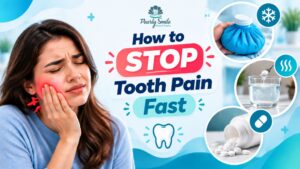
If you need faster relief, try applying a cold compress to the outside of your cheek, gently flushing with warm salt water, avoiding trigger foods, and taking over-the-counter pain medication. These steps can minimize swelling and alleviate acute pain as you prepare for the next steps.
But home care only soothes symptoms, not the underlying physical or bacterial problem in the mouth. Knowing when to seek immediate care from dentists in Shelby Township can help you prevent a minor toothache from becoming a major problem.
Which Of The Following Can Cause Tooth Pain?
Tooth pain occurs when the underlying dentin and/or surrounding gum tissues become irritated, inflamed, or infected. Once you are aware of the underlying cause, you can respond appropriately:
- Tooth Decay and Cavities: The enamel deteriorates, allowing food particles and oral bacteria to penetrate the underlying soft dentin.
- Cracked or Damaged Teeth: Pressure, cold air, and liquids can directly reach the nerves through cracks or breaks in the enamel.
- Gum Infection: Bacteria gather around the gum line, causing redness, inflammation, and localized throbbing.
- Dental Abscess: A severe bacterial pocket forms at the root tip or inside the gums and exerts continuous, intense pressure.
- Exposed Roots: Gums have receded, exposing soft root surfaces, which can make it startling to drink hot or cold liquids.
- Wisdom Teeth Problems: Third molars that try to emerge into crowded jaw space may cause pain, swelling, and stiffness.
- Damaged or Loose Fillings: Aged dental work can loosen or leak, exposing raw tooth structures to temperature shifts.
- Teeth Grinding: Clenching or grinding during sleep puts constant physical stress on the jaw joints and enamel, causing widespread aching.
How to Stop Tooth Pain Fast at Home
If you cannot get dental care immediately, a few simple steps may help make the pain more manageable.
1- Rinse With Warm Salt Water
A plain saltwater rinse is a natural disinfectant that draws water from swollen tissues and reduces inflammation. Mix half a teaspoon of plain salt into eight ounces of warm water. Gently swish the mixture around the affected area for 30 seconds, then spit it out into the sink. Do not swallow the liquid.
2- Use a Cold Compress
Cold therapy constricts local blood vessels, slowing inflammation and temporarily dulling nerve signals that send pain messages to the brain. Wrap an ice pack or a bag of frozen vegetables in a clean, soft cloth. Apply it to the outside of the cheek next to the aching tooth for 15–20 minutes at a time, allowing the skin to breathe between applications.
3- Take OTC Pain Medicine
Over-the-counter pain relievers such as ibuprofen or acetaminophen can ease inflammation and alleviate mild pain. Be sure to read and follow dosage instructions on the package.
Do not exceed the recommended daily dose and consult your doctor if you have any existing medical conditions, hypertension, or other prescription medicines. People may look for ways to permanently kill the nerves that cause tooth pain, but temporary over-the-counter medicine only masks the signals until you get proper treatment.
4- Avoid Foods That Trigger Pain
Some foods can cause jolts or worsen pain in sensitive teeth:
- Very Hot or Cold Foods: Avoid hot coffee, boiling soups, ice water, or ice cream. Avoid candies, sodas, and sweet juices, which feed the bacteria that cause tooth decay.
- Hard or Crunchy Foods: Avoid nuts, chips, and hard crusts, which place heavy biting pressure on the teeth.
- Chewing Location: Teach family members to chew only on the other side of the mouth to protect the sensitive area.
5- Keep the Area Clean
The fewer food particles in the mouth, the less likely they are to get trapped around the irritated gums and the less likely bacteria are to build up. Brush twice daily, gently, with a soft-bristled toothbrush and fluoride toothpaste.
Gently press the floss between the teeth in the problem area to dislodge any trapped food. Don’t force the floss into your gums. Understanding the benefits of flossing, along with regular oral hygiene and routine cleanings and exams, can help prevent plaque buildup and further irritation of the painful area.
What Not to Put on a Painful Tooth
If you are looking to do a quick home remedy that is meant to relieve the pain of a toothache, you could easily end up injuring yourself by implementing a home remedy that you have not verified:
- Placing Aspirin Directly on Gums: Aspirin, when placed directly onto the gum line or into a tooth, will burn the delicate tissues.
- Avoid Using Harsh Chemical Substances: DO NOT use rubbing alcohol, bleach, or hydrogen peroxide (undiluted), as they will kill healthy cells too.
- Direct Heat: Applying heat pads or hot compresses to a swollen cheek increases blood flow to the area and can worsen swelling and inflammation.
- Leftover Antibiotics: Leftover antibiotics not prescribed by a doctor are not suitable for treating non-bacterial pain, are not always effective, and can cause dangerous antibiotic resistance.
- Draining Swelling: DO NOT attempt to drain a swollen gum bump or gum abscess by popping, poking, or draining it yourself, as this can force bacteria to spread to other tissues in the face.
When Tooth Pain Needs Urgent Care
Certain symptoms indicate that tooth infection may be spreading beyond the tooth, requiring immediate, emergency medical evaluation:
- Visible facial, cheek, or jawline swelling
- Unexplained fever, chills, or body aches
- Pus draining around the tooth or a constant bad taste in the mouth
- Severe, unrelenting throbbing that stops you from working or sleeping
- Difficulty opening the mouth or moving the jaw
- Swelling that extends under the eye or down into the neck area
- A broken tooth or sudden facial impact injury
When deep infections reach the innermost nerve tissue, a professional root canal treatment is often necessary to safely remove the infected material and stop severe throbbing.
Important Warning: If tooth swelling makes it difficult to breathe or swallow, seek immediate care from an emergency dentist or go to the emergency room.
How Long Does Tooth Pain Last?
The duration of a toothache depends entirely on what is happening inside the tooth structure:
- Brief Sensitivity: Mild twinges lasting a few seconds after cold drinks usually point to minor enamel wear or temporary gum recession.
- Cavity-Related Pain: Aches that flare up when eating sugary foods will worsen as decay deepens.
- Cracked Tooth Pain: Sharp pain when biting down that stops immediately when you release pressure indicates a structural fracture.
- Infection-Related Pain: Continuous, severe, pulsing pain usually indicates that bacteria have reached the inner nerve space.
- Wisdom Tooth Pain: Periodic aches and jaw tightness occur as third molars periodically press against surrounding bone and tissue.
If severe pain suddenly disappears on its own, it does not mean the tooth has healed. In many cases, it means the internal nerve has died, while the underlying bacterial infection continues to spread quietly into the surrounding jawbone.
When Should You See a Dentist for Tooth Pain?
Knowing when to arrange a professional evaluation keeps simple problems from becoming complex emergencies. If you experience any of the following, consult a professional:
- Persistent toothache that lasts longer than a day or two
- Discomfort keeps returning week after week
- Pain prevents you or your child from sleeping or eating normally
- Temperature sensitivity increases or lasts for several minutes.
- The gums or cheeks swell, and it is visible.
- You see signs of a small infection or a crack in the tooth.
Conclusion
If a sudden toothache strikes your family, safe home remedies can help soothe the pain: use a cold compress, warm saltwater rinses, and over-the-counter medication. Keep in mind that these temporary solutions mask symptoms rather than solving the issue. If the ache keeps coming back or feels too sharp to ignore, you need professional care. Call Pearly Smile Dental Studio today to keep your family’s smile healthy.


