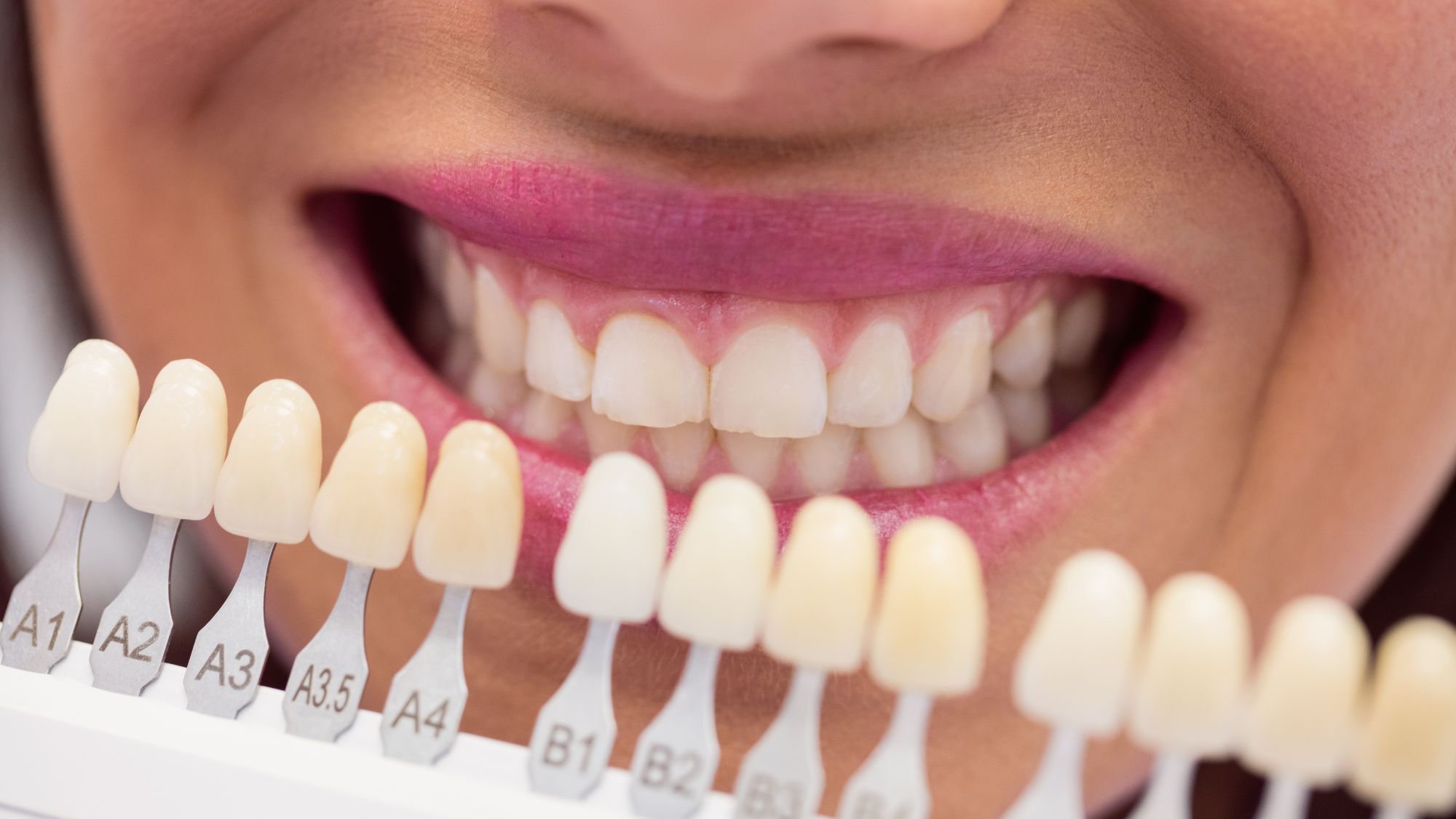
Coffee and tea are among the most common causes of tooth discoloration because they contain dark pigments and tannins that can adhere to enamel over time. Frequent sipping throughout the day makes staining even worse, especially for people with porous enamel or existing plaque buildup. The good news is that stained teeth are not permanent in most cases. Modern teeth whitening methods, improved oral hygiene, and stain-prevention strategies can significantly enhance the appearance of your smile.
This guide explains 10 proven teeth-whitening options for coffee and tea drinkers, including professional treatments, safe at-home methods, and lifestyle adjustments to help reduce future staining. Whether you are dealing with mild yellowing or years of discoloration, understanding how different teeth whitening methods work can help you choose a safer, more effective solution.
Why Some People Experience More Staining Than Others
You may know people who drink the same amount of coffee as you but look less stained than you do. The reasons for this include the following:
Enamel thinning: The quality of the protective layer covering your teeth affects the visibility of yellow-colored dentine exposed through coffee drinking.
Period of intake: Drinking coffee for more than 3 hours can harm your teeth by causing continuous acid attacks on your pearly whites.
Cigarette abuse: The substance produced by cigarette smoke creates a film-like effect that quickly stains your teeth with the color of coffee.
Poor dental hygiene: Plaque is a porous substance. Therefore, the presence of plaque deposits increases the likelihood that coffee stains will be absorbed.
10 Teeth Whitening Tips for Coffee and Tea Lovers
Drinking tea and coffee may harm your teeth, leading to stains and a loss of shine despite regular oral care. Here are ten proven techniques to help reduce discoloration and maintain your pearly whites without renouncing your favorite beverages.
1. Professional In-Office Teeth Whitening
Coffee stains often sink deep into your enamel’s pores, where regular brushing cannot reach. In a clinical setting, a dentist uses a high concentration of hydrogen peroxide that penetrates these microscopic layers to break apart the chemical bonds of the coffee pigments.
This is the most effective way to tackle years of buildup in a single hour. It works because the professional-grade gel is much stronger than anything you can buy at a local pharmacy.
2. Custom Fitted Take Home Trays
When you drink tea every day, the staining is a constant process. Custom trays from a dentist are made from a mold of your actual teeth, so the whitening gel stays perfectly in place. This prevents the bleach from leaking onto your gums while ensuring every curve of your tooth is covered.
Because the fit is so precise, the active ingredients can work steadily over several nights to lift stubborn tea tannins without causing the intense sensitivity often found with faster methods.
3. Professional Dental Cleaning
Sometimes what looks like a permanent stain is actually hardened plaque, or tartar, that has soaked up the color of your dark drinks. A dental hygienist uses specialized metal tools and ultrasonic vibrations to scrape this colored buildup off your teeth.
This is a foundational step because whitening gels cannot soak through tartar. Getting a professional cleaning every six months clears the surface so your natural tooth color can shine through, and any future whitening treatments work much better.
4. Teeth Whitening Strips
These thin pieces of plastic are coated with a peroxide film that adheres to the front of your smile. They are great for people who notice mild yellowing from occasional coffee use. The strips hold the chemicals against the enamel long enough to oxidize the surface stains.
They are easy to use while you get ready in the morning, but they might not reach the deep corners between your teeth where tea pigments tend to hide the most.
5. Whitening Toothpaste
Most whitening toothpastes do not actually change the internal color of your teeth. Instead, they use mild abrasives, such as silica, to scrub away the daily film left by your morning latte. This prevents the pigments from settling in and becoming permanent.
It is a proactive way to manage your smile if you are a frequent brewer. Using it daily keeps the surface polished and smooth, making it harder for new stains to adhere to the enamel.
6. LED Whitening Kits
Many modern home kits include a blue light device that you wear over a gel tray. The light acts as a catalyst, speeding up the chemical reaction of the whitening agent. For tea lovers, this means the peroxide works faster and more efficiently during the short time it is on your teeth.
It helps open the enamel’s pores slightly so the cleaning agents can reach the darker pigments trapped just below the surface, for a more noticeable result.
7. Whitening Mouthwash
Rinsing with a specialized mouthwash is a smart move for people who sip coffee throughout the entire day. These liquids often contain a small amount of hydrogen peroxide that bubbles away fresh stains before they have a chance to bond.
It also adds a protective layer to the enamel, making it more difficult for tannins to adhere to it. While a wash alone won’t give you a dramatic transformation, it is a perfect maintenance tool for daily coffee drinkers.
8. Baking Soda and Peroxide
A simple paste made of baking soda and a tiny bit of water is a classic way to buff out tea stains at home. Due to its alkaline nature, baking soda can exfoliate and remove the acid layer that forms after consuming coffee.
Baking soda is not very abrasive to enamel but is much milder than other industrial cleaning agents. Many people believe that using this agent once a week can help keep their teeth white without spending much money.
9. Activated Charcoal Powder
Charcoal is a highly porous substance that uses adsorption to clean the teeth’s surface. For heavy tea drinkers, the charcoal particles can latch onto the dark tannins and lift them away as you rinse.
You have to be careful not to scrub too hard since it can be abrasive, but it is a popular natural alternative for removing the grey or brown tint that comes from dark herbal teas.
10. Porcelain Veneers
If your coffee habit has caused permanent discoloration that no bleach can fix, veneers are the ultimate solution. These are thin shells that a dentist bonds to the front of your teeth to completely cover stains.
Porcelain is nonporous, so it does not soak up liquids the way natural enamel does. This means you can keep drinking your favorite coffee or tea without worrying about your smile turning yellow again because the material is essentially stain-proof.
To Sum Up
Keeping your teeth bright doesn’t mean you have to give up your favorite morning brew. By combining professional treatment with intelligent daily practices, you will find that stains become a thing of the past and your enamel remains in excellent shape for years to come.
The key to keeping up a healthy glow lies in consistency, so find the right approach for you and stick to your oral care routine. Contact Pearly Smile Dental Studio today to schedule a visit and get started.